“Ever had an eyeshadow palette make your eyes feel like they’re auditioning for a role in a tearjerker movie? Yeah, us too.”
We’ve all been there: swatching a stunning shade only to end up with red, itchy eyelids that feel like sandpaper. The culprit? Your regular eyeshadow might not be formulated for sensitive skin. Enter hypoallergenic eyeshadow. Let’s dive into why this microniche deserves a permanent spot in your makeup arsenal—and how to master it like a pro.
In this post, you’ll learn:
- The science behind hypoallergenic formulas.
- How to choose the best palettes for sensitive eyes.
- Tips and techniques to apply them flawlessly.
Table of Contents
- Key Takeaways
- The Problem With Regular Eyeshadows
- How to Choose the Right Palette
- Best Practices for Application
- Examples & Success Stories
- FAQs
- Conclusion
Key Takeaways
- Hypoallergenic eyeshadows are formulated without common irritants like fragrances and parabens.
- Look for palettes with natural ingredients and gentle binders to minimize irritation.
- Layering with primer can help enhance longevity while protecting sensitive skin.
- Brands like Burt’s Bees and Physicians Formula lead the charge in hypoallergenic beauty.
The Problem With Regular Eyeshadows
Regular eyeshadow palettes often pack a punch—not just in pigment but also in potential allergens. Synthetic dyes, talc, and even glitter particles act as sneaky saboteurs for those prone to sensitivities.
“I once bought a ‘luxury’ palette thinking I was upgrading my look—but ended up looking like I’d stared directly at the sun (swollen lids included).”
Sounds about right? According to dermatologists, one in five people experience adverse reactions from cosmetics containing harsh chemicals. Yikes.
Why Should You Care?
Optimist Me:* “Switching to hypoallergenic options will save your eyes!”
Grumpy Me:* “Only if you’re okay with spending extra cash and avoiding cheap knockoffs.”*
How to Choose the Right Palette
Finding the perfect hypoallergenic eyeshadow palette isn’t rocket science—it’s more like finding the perfect avocado at the grocery store. Here’s how:
Step 1: Check the Ingredient List
Skim through labels for these no-nos:
- Parabens
- Synthetic fragrances
- Talc
Step 2: Look for Certifications
Stamp-approved seals such as “Dermatologist Tested” or “Cruelty-Free” ensure quality control.
Step 3: Test Before You Invest
Swatch testers are gold. Apply on your wrist first—no rash after 24 hours? Ding ding ding!
Best Practices for Application
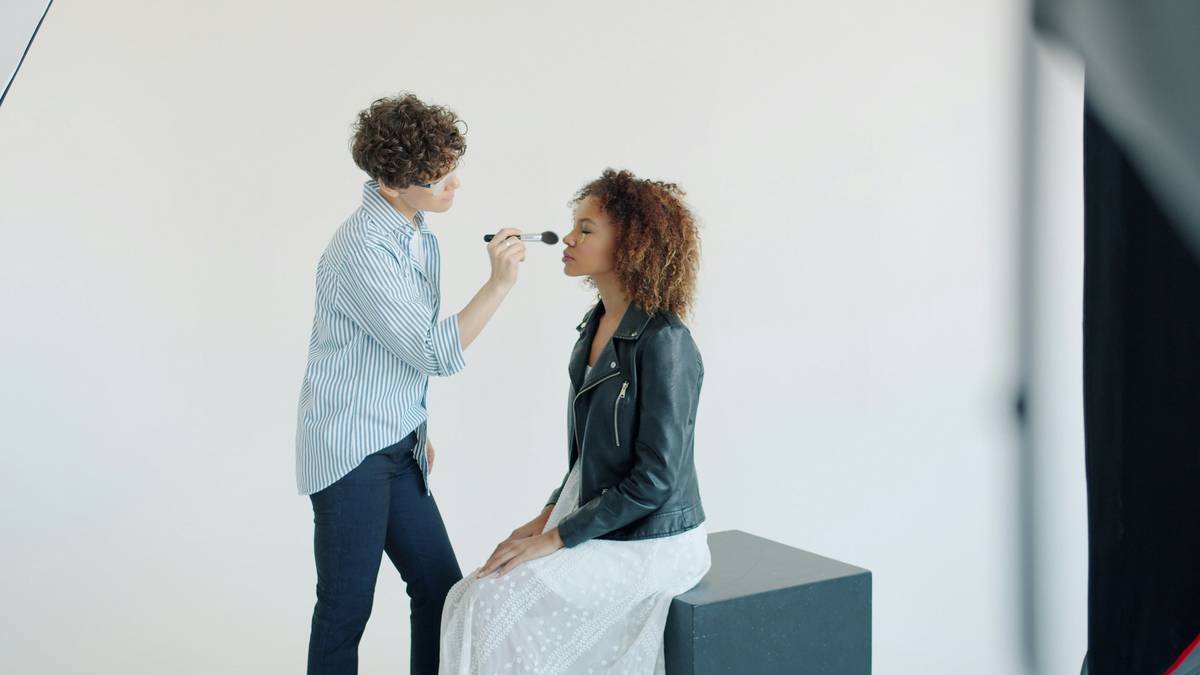
Now that you’ve got your dream palette, let’s talk application:
- Prep with a hydrating, fragrance-free primer.
- Use clean brushes every time (because bacteria love hanging out where you least expect).
- Blend gently; don’t scrub like you’re trying to remove wallpaper.
A Terrible Tip Disclaimer:
“Wet your fingers before applying?” No, absolutely not. It may work for cream shadows, but powders? That’s how smudges happen, my friend.
Examples & Success Stories
Take Sarah, a freelance makeup artist who struggled with eczema around her eyes. After switching to Burt’s Bees All-in-One Hypoallergenic Palette, she reports zero flare-ups—even during 12-hour shoots. Chef’s kiss.
FAQs
Q: Are hypoallergenic eyeshadows worth the price tag?
Absolutely! Think of it like skincare for your lids—you get what you pay for.
Q: Can I still achieve vibrant looks with hypoallergenic formulas?
You betcha! Brands now offer long-lasting pigments sans irritants.
Conclusion
Gone are the days of sacrificing comfort for style. The advent of hypoallergenic eyeshadow proves that beauty enthusiasts with sensitive eyes can indeed have their cake and eat it too.
Like a Tamagotchi, your eye care routine needs daily love and attention.